
Public charging prices can feel inconsistent. Two stations a few blocks apart can show totally different rates, and the apps rarely explain why. Add a potential queue, a paid parking zone, or the wrong plug, and the “cheap” stop becomes a time-and-money trap.
In this guide, you will learn a simple method to identify the cheapest public EV charging options that actually work when you arrive. The best part: it takes just minutes once you know what to check, and it saves you from the most common surprise fees.
First, you will learn why the same kWh can cost different amounts in the same city. Then you will learn how to check PlugShare for real-world access and reliability, and how a provider app like Eleport helps confirm live pricing and start a session with minimal friction. After that, we will cover plug types and station types so your “cheap” choice also fits your car and your stop duration.
Why can the same city show three different prices for the same kWh?
A public charging session includes more than just energy delivery. Charging operators pay for the site, grid connection, maintenance, customer support, and, in some cases, parking agreements. In some countries, operators also price demand risk into fast power delivery, because high power can trigger higher capacity costs. That is why two stations with the same plug can still have different prices.
Here are the most common reasons tariffs differ.
- Pricing unit differs: per kWh, per minute, or a hybrid (energy plus time).
- Session fees appear: a flat “start” fee, or a minimum bill.
- Idle fees apply: once the battery reaches the target level and the car is not moved, the operator may add specific idle fees.
- Time-based pricing is used: off-peak periods can cost less than rush hours.
- Membership changes the rate: subscriptions or loyalty tiers can lower the headline number.
- Site rules add cost: paid parking, access gates, or a fee after a grace period.
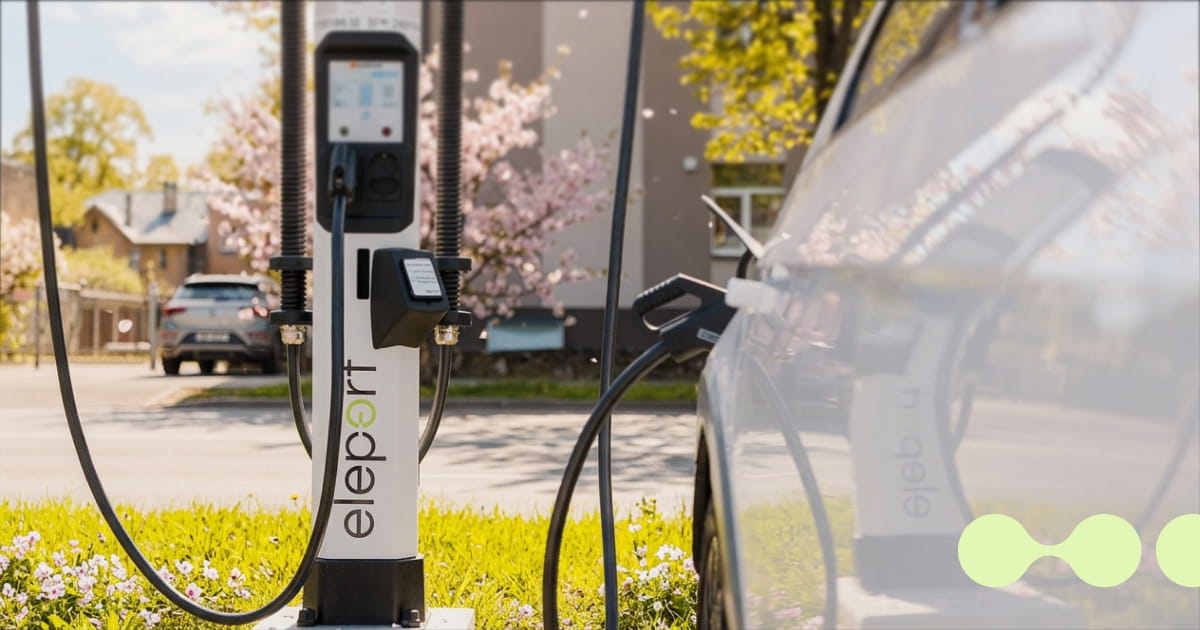
Quick tip from Eleport’s team: treat the shown price as a starting point, then check the details for per-minute charges and idle fees before you start the session. With Eleport, you don’t have to worry about dynamic pricing changes or any starting fees. With that context, using the cheapest EV charging station becomes a calculation, not a guess.
What counts as the cheapest public EV charging in practice?
“Cheapest” matters only when the total cost of the charging stop decreases, not just the tariff shown in an app. A low per-kWh price loses value as soon as you detour, queue, or incur per-minute billing after the car has already slowed. Define the win as the total cost to add the energy you need, within your route and time limits.
A clean way to compare options:
- Energy cost: price per kWh × total kWh you plan to add
- Time cost: any per-minute fees plus possible idle fees
- Access cost: parking charges, entry fees, or paid time limits
- Reliability cost: the risk of a failed attempt that forces a second stop
Use the total as the yardstick: pick the station that delivers the energy you need for the lowest full-session bill. As a quick check, if a stop saves 2–3 euros but adds a long detour or a long wait, the “saving” usually disappears.
Which apps help you compare stations before you drive?
Most cities face a simple problem: no single app provides the full picture. A map can tell you where stations are, but it may not reflect the current situation. A provider app can display the current price and allow you to pay, but it typically supports only its own network. That is why a two-app routine is more effective than relying on a single source.
Use a discovery app first, then a provider app.
A discovery map helps you choose candidates that make sense for your route. It shows the wider area and adds driver updates that reveal real access issues, such as barriers, paid parking rules, and chargers that often fail.
A provider app helps you confirm the final terms on the exact unit you plan to use. It shows live status and the station tariff, then lets you start, stop, and pay, with receipts that help track spend over time.
Now let’s split the roles clearly: PlugShare for filtering and reality checks, then Eleport for live price and session control.
How does PlugShare help you filter, verify, and avoid dead spots?
PlugShare works best when you treat it as a shortlist tool. It helps you avoid time-wasting locations before you commit to a route. The value comes from recent driver updates. Photos and short notes often reveal practical issues that a standard map misses, such as restricted access, blocked bays, or hardware that intermittently fails.
To keep the search efficient, set your vehicle so compatible plugs show first, then prioritise sites with recent check-ins. Read the last two updates before you go. If both mention the same problem, such as “often blocked” or “out of service,” drop the station from your list.
Why use the Eleport App when you already have a map?
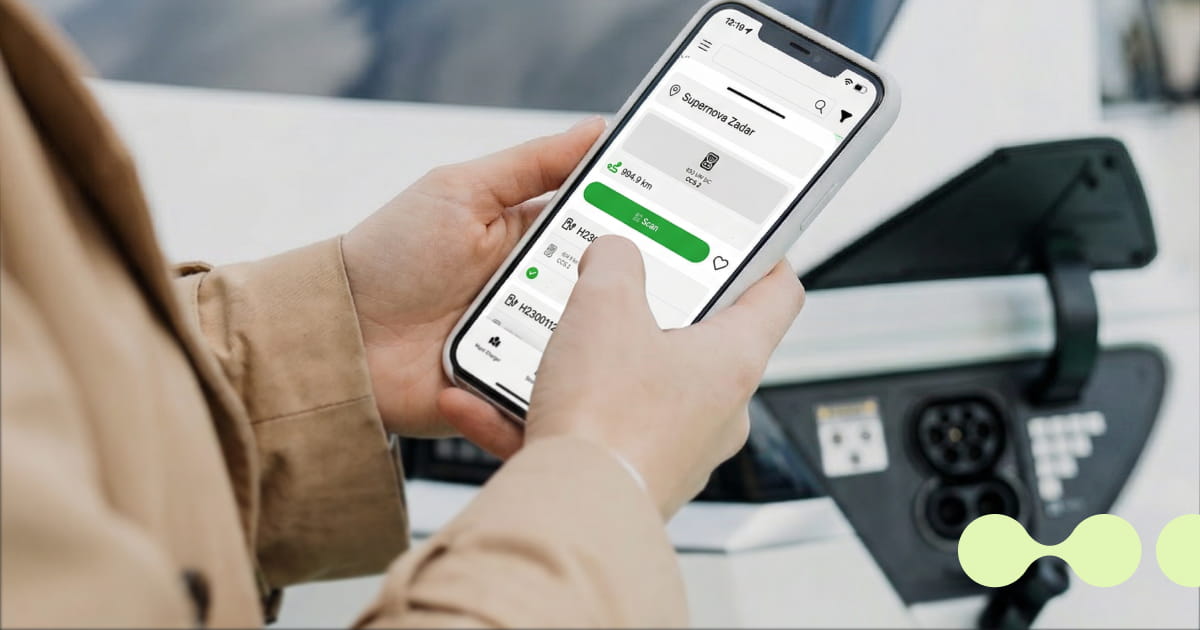
A map shows where chargers are. A provider app shows whether a charger is available and the exact cost of that unit. That is the difference between a cheap plan and an expensive surprise, since prices can vary by location, plug type, and power level.
Use the Eleport App after you shortlist options. Check availability before you drive over, review the station tariff on that unit, then start the session in the app and keep the receipt for later. This keeps the total predictable, especially when the same site offers different prices across connectors or power tiers.
If a rule or fee feels unclear, the Eleport FAQ covers the common details.
Quick tip from Eleport’s team: If you are on a longer roadtrip, replace the Plugshare step with an EV route planner – see our deep dive of the best apps to use for planning the most efficient route for you.
Where can you find the cheapest EV charging stations near me?
If you ask ten people for the “best deal” to charge you, you will get ten different answers, and several will already be outdated. A stronger approach starts with sites priced lower by design, as they support longer parking and more predictable turnover.
In most European cities, municipal car parks keep tariffs competitive, retail parks treat top-ups as a driver of footfall, and workplace-area sites stay affordable because drivers park for an hour or two. Those categories also come with clearer access rules, which reduce the risk of paid parking surprises and wasted detours. In practice, that mix is where the cheapest public EV charging is most common, so start there when you search for the cheapest EV charging stations near me.
A two-step check keeps the total predictable. First, use a discovery map to avoid dead or blocked units, then confirm the tariff on the exact connector you plan to use.
- Shortlist with PlugShare and filter by connector and power.
- Check availability, then read the latest note or photo for gates, paid parking, or recurring faults.
- Scan for per-minute charges and idle fees before you commit.
- Open Eleport App to confirm the live rate for that specific unit, then start the session in-app.
This routine turns a low headline rate into cheap EV charging in real-world conditions, helping you reuse a single reliable location as the cheapest EV charging station when time matters.
To make that routine even easier, it helps to understand the hardware side, because plugs and power levels decide both speed and cost.
Which plug and power details matter when you compare charger types?
Price comparisons fall apart for two reasons that feel obvious only after a bad stop. First, it can happen when the connector doesn’t match your car, so the “cheap” option becomes a wasted drive. Second, this can occur when the charger works, but the power level does not align with your stop expectations, so time-based fees, queues, or idle rules increase the total to a level higher than expected. Get these two checks right, and the rest of the cost logic becomes much easier.
AC vs DC: what changes in time and total cost?
AC suits longer stops. It typically comes with steadier pricing because the equipment stays simpler and the session matches everyday parking. DC fast charging suits shorter stops. It delivers energy quickly, but that speed often comes with a higher price per kWh or stricter idle fees.
A practical way to decide: if you can park for an two hours or more, AC often produces a better total. If you need a short top-up to stay on schedule, DC can make sense even when the tariff runs higher. After that choice, confirm the connector to keep the stop simple.
Which connectors are most common in Europe, and what should you carry?
Europe stays relatively consistent, which helps once you know what to look for. Most public AC points use Type 2. Most DC fast sites use CCS2 (Combo 2). CHAdeMO still appears in some places, mostly for older vehicles, but it rarely works as a primary option unless your car depends on it.
Two practical details save frustration. Many AC posts provide a socket rather than a fixed cable, so a Type 2 cable in the boot prevents dead ends. DC fast units always have a fixed cable attached, so CCS2 just means plug in, authenticate, and start charging. If you’re in a vehicle with the CHAdeMO standard, you’ll just need to use relevant DC stations with this plug (use filters in your discovery app for that) or a CCS2-CHAdeMO adapter, which is becoming more widely available for purchase nowadays.
Once connectors feel clear, you can choose station types based on how you drive, not on guesswork.
Which station types are best suited to city driving versus motorway trips?
The cheapest sessions usually result from matching the station to the stop length. City driving often offers flexibility in timing, so slower options can work well. Motorway trips reward speed, so faster units protect schedules, even as rates rise.
Think in three buckets: AC for longer parking blocks, DC fast for short top-ups, and ultra-fast DC for large top-ups when time matters most. From there, the question becomes simple: when does each option pay off?
When does AC charging make sense?
AC is useful when the car will be parked anyway, such as during work hours, shopping, dinner, overnight stays, or at hotels. It also reduces idle-fee risk because the charging pace aligns with a longer stop. If you want lower and more predictable totals, AC often becomes the default choice for weekday routines. That is also what you’ll use when charging at home.
When do fast chargers justify a higher rate?
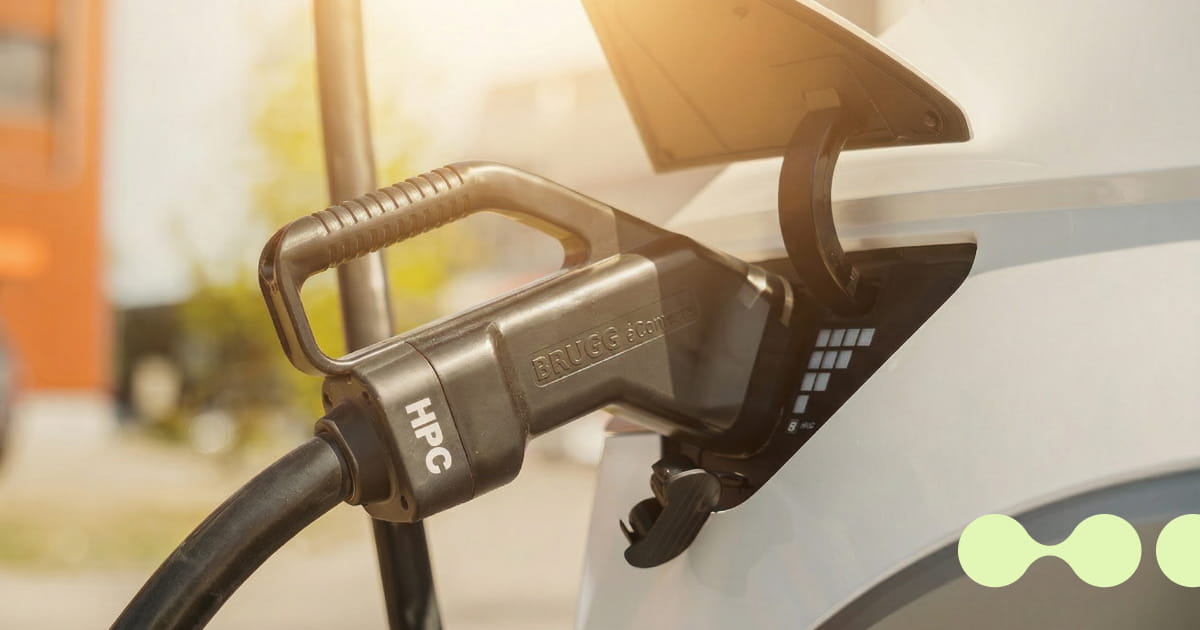
Fast chargers earn their place when time drives the decision: late arrivals, tight schedules, cold-weather range drops, or back-to-back commitments. They also help with longer drives, when a bigger top-up avoids an extra stop later. Two habits keep the bill under control: set a target percentage to end the session earlier, and return promptly so idle fees do not increase the total.
With the station type and connector sorted, you can take a small step that prevents most surprises: estimate the total before you start.
How do you estimate the bill before you plug in?
After you shortlist a station, take ten seconds to estimate the total. The displayed rate rarely tells the full story, and the surprise usually comes from time-based fees, not from the per-kWh number itself. A quick estimate needs only three inputs: how many kWh you plan to add, the station’s tariff (including any time-based charges), and a small buffer for losses. This simple step prevents the classic mistake: choosing a low headline rate, then watching the total climb once the timer starts.
To keep it practical, think in one line: planned kWh × price per kWh. You do not need precision; you need a reality check to determine whether this stop will remain reasonable.
If you want a quick sense check, pick a round number, such as 20 kWh, and do the math. If the total exceeds the alternatives on your shortlist, move on before you plug in.
What fees hide behind the headline EV charging price?
Once you have a rough estimate, the next step is to scan for add-ons that could change the outcome. Use the shown price as the starting point, then identify the line items that quietly inflate the bill. The common ones include:
- A session start fee
- Idle fees after a grace period
- Higher rates by power level
- Parking fees or paid access rules at the location
Idle fees deserve special attention because they can quickly flip the outcome. A station can appear low-cost until the car finishes and the grace period ends, after which specific, usually quite expensive, per-minute fees are added, even though no useful energy is entering the battery.
After you know the fee rules, you can stop reacting to random prices and start choosing stations that stay predictable.
How can you track EV charging costs over a month?

If you want control without admin work, keep a short monthly note that captures the essentials. Write down the station name and area, whether you used AC or DC, the kWh added, the total paid, and a short comment when something distorted the result, such as a queue, paid parking, or a unit failure. After three to four weeks, the picture becomes obvious: a few locations stay stable, some spike at busy times, and one or two fail often enough that “cheap” stops being relevant.
Once you see the month in one place, you can choose habits that keep totals low without constant checking.
What habits reduce charging costs without adding stress?
The best charging habits feel boring in a good way. They reduce stress and prevent expensive last-minute choices. Here are a few that work well for many electric vehicle owners:
- Plug in a bit earlier than “critical,” so you avoid forced fast top-ups at the worst time
- Match the power level to your stop length
- Reuse stations that proved reliable, even if another option sometimes looks slightly cheaper
- Keep one backup option close by, so a broken unit does not force a long detour
These habits help EV drivers in cities where bays are often blocked, and prices vary by time and location. At this point, many people feel settled, but a new factor emerges: roaming. It can change what you pay, even at the same unit price.
How do public charging networks and roaming change the price you see?
Many European cities operate on a system of overlapping operators. Roaming can reduce friction by allowing one app to start sessions across partners, but it can also add an extra pricing layer on top of the operator’s direct tariff. That is why the price may vary based on how you start the session.
A practical rule keeps this simple: for everyday cost control, direct network pricing often wins; for frequent travel, roaming can feel easier even if the rate rises. Keep at least two payment-ready apps open, and confirm the final price on the charger screen when it appears.
Even then, the cheapest plan fails if the station is down. The last step is to maintain reliability while keeping costs low.
How can you maintain reliability while hunting for low prices?
A low price works only when the stop stays predictable, so treat reliability as part of the cost. The simplest way to protect that is to choose sites with more than one port, and keep a backup option within 5–10 minutes.
Here’s an easier Eleport-based tip that takes five seconds: before you start, open the station in Eleport and look at the session terms, especially any idle fees, then start the session in the app so the receipt and final total stay clear. That quick check prevents the most common surprise bill, even when the headline rate looks low.
FAQs
How to find EV charging stations?
Open Google Maps to scan stations from your location, then verify in PlugShare. Use the filter settings for the connector and maximum power, switch to list view to view the number of chargers, and save a favourite list. Check Tesla Superchargers on the supercharger network, plus other network apps for real-time status.
How to find public EV charging stations nearby?
For public charging stations nearby, type “fast charging near me” in the Google Maps app, tap a suitable pin, note the charging station’s name, then check PlugShare for the latest photo and access rules. Confirm real-time availability in the operator’s charging app before you drive, as gates and blocked bays often occur.
How to find cheap EV charging stations?
Cheap EV charging usually appears where you park: municipal car parks and shopping centres. Rare sites offer free EV charging or free chargers for customers, but verify time limits. Compare EV charging prices across apps and avoid fast chargers when AC charging suits your stop, since time-based fees can raise your total.
How do I find the cheapest public EV charging when prices change over time?
To find the cheapest public EV charging as rates shift, build a favourite list of nearby stations and check tariffs in network apps for the times you drive. For road trips and long drives, use A Better Routeplanner to reduce range anxiety, then recheck in real time before you start.
What should I check before I trust a “lowest price” station?
Before you trust a low rate, confirm plug match, maximum power, and steps to start in the EV charging app. Check the charging speed for your car model, because a lower SoC enables peak output on dc fast chargers. Set a target state of charge and leave before idle fees.