
Public charging in Europe is getting better. If you’ve been driving an EV for a while, you have certainly noticed this.
But this “better” still leaves room for the classic EV road-trip moment: you arrive at a charger that looks perfect on the map or navigation you found it on… and then reality shows up.
You might have just stumbled upon a non-working charger, or, since that’s becoming rarer, just a degraded experience of less-than-ideal charging speeds or lack of promised amenities.
That’s why the “best” charging app isn’t the prettiest map or the one with the most logos. It’s the one that makes charging predictable:
- You can find a charger that fits your needs,
- You can trust that it will work,
- You can see what it’ll cost before you commit,
- You can start the session quickly,
- And you can get the exact experience you wanted while waiting.
In other words, all good EV charging apps aim to reduce surprises.
This essential EV driver toolkit guide breaks down the must-have features of a strong charging app – or combination of apps – for European EV drivers.
Why European EV ownership today is better with a toolkit, not a single app?
It’s because of how our fast-charging ecosystem is set up. If you only charge at home, you can survive with one backup app for fast charging. But the moment you rely on public charging more often for city charging, commuting, road trips, or traveling across borders, you discover Europe’s reality:
Public charging is not acting as a single charging network.
Different operators, different backends, different pricing styles, different support experiences. Roaming can help set the experience, but it doesn’t eliminate fragmentation.
So most experienced EV drivers end up with a simple toolkit consisting of dedicated EV charging apps:
- A route planner to choose smart stops along longer routes
- A roaming/payment app to charge across many networks with one account, especially when traveling abroad
- A few operator apps for the networks you use most
Having five charging apps on your home screen isn’t meaningless app hoarding. That’s just adapting to how the system actually works today.
Here are the EV charging app features you should get into your toolkit as an EV driver.
A charger map that helps you decide fast, not just find the chargers
Pretty much every EV charge app has a map. The question is whether that map is usable when you’re in motion, low on battery, or trying to keep a trip on schedule.
A strong map of an EV charging point app does two things well: filters and context.
Filters need to match real needs
The essentials:
- Connector type selection (CCS, Type 2, and CHAdeMO if you still need it)
- Power level (e.g., “show me 150 kW+” for motorway stops)
- Access restrictions (public vs paid parking vs hotel-only vs behind barriers)
- Network/operator filters (when you trust certain CPOs more than others)
- Amenities (toilets, food, 24/7 access). This latter part is harder to find in dedicated charging apps for now.
Context that prevents mistakes
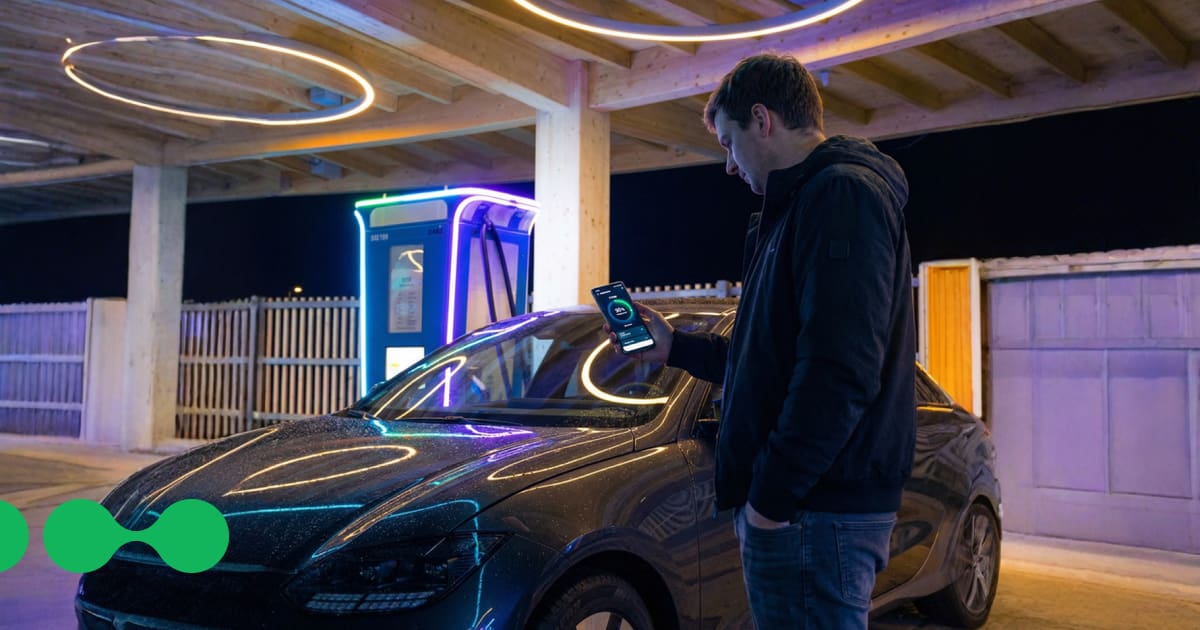
Photos, notes, and clear location detail matter more than people expect. A charging site can be “at the supermarket” and still mean something that is behind a barrier at the back, next to the loading dock… good luck! Your EV charging app features should include something to make sure this doesn’t happen to you. Apps like Chargemap and PlugShare lean into station detail and community input, which can be genuinely useful when official data is incomplete.
Live status you can trust, because “available” isn’t a guarantee
Sadly, even today, a charger can be marked “available” in most apps and still be:
- out of service,
- blocked,
- restricted after hours,
- or delivering far below expected power.
So the “live status” in reality needs to be more than green dots on an app. At a minimum, the best EV charging app features include:
- Occupied vs available
- Fault/out-of-service status
- How many stalls exist at the site. Single-stall sites are high risk.
- Ideally, some signal of recent reliability, either from the operator feed or community check-ins.
The goal towards the user, you, is simple: reduce wasted detours. If you’ve ever driven an extra 12 minutes to a fast charger that didn’t work as expected, you already understand why this feature sits near the top of our list.
Transparent pricing before you plug in
Public charging prices in Europe can be straightforward… or weirdly complex.
A great app makes pricing info explicit before you start a session:
- Specific €/kWh rate
- Session start fee (if any, it’s rather rare)
- Time-based fees (common on AC, usually not applicable to fast charging)
- Idle fees once charging completes and you haven’t moved the car
- Info on whether pricing is ad-hoc or if you could get a lower price with a member subscription
Price transparency is becoming more expected under EU rules, including AFIR’s push for clearer consumer information and easier ad-hoc use at many stations.
And for EV drivers, this is not an academic thing. Pricing affects behaviour: if you see an idle fee policy upfront, you’re less likely to turn a charging stop into an expensive one accidentally.
Roaming coverage that’s real and clearly communicated
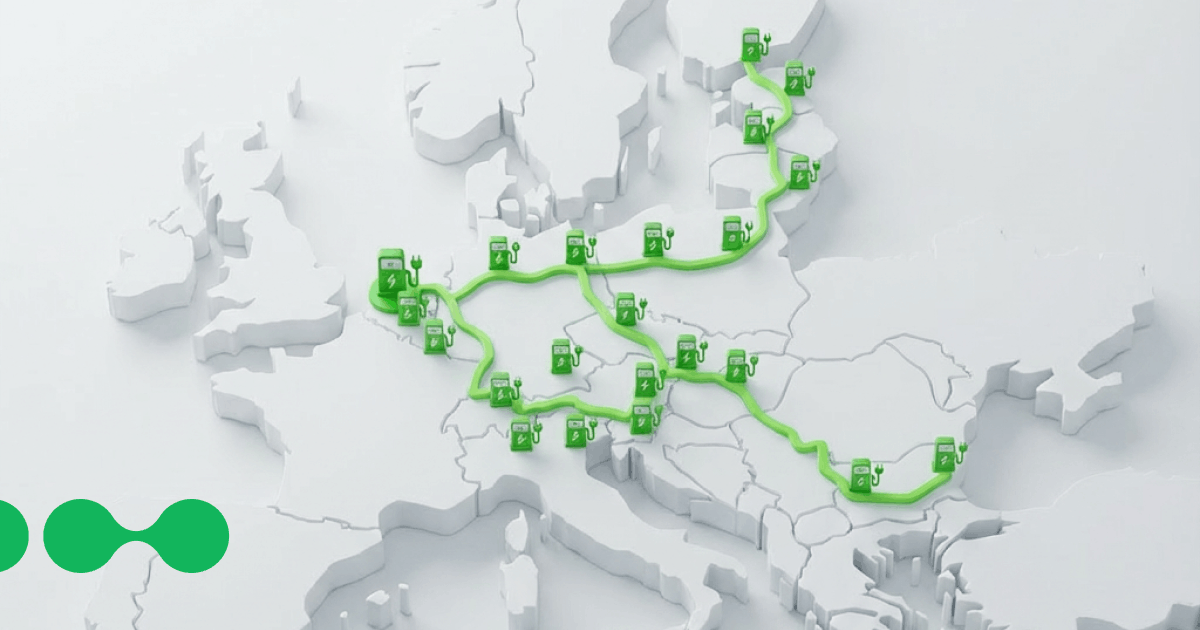
Roaming is what makes European road trips feel sane and not increase your 5-app homescreen look to something like 50. Roaming isn’t usually one of the core EV charging app features, but rather all done via a dedicated app itself.
Unless you’re using the Eleport app across Central and Eastern Europe, of course. With it, you can drive from Estonia to Croatia using nothing but the one charging app.
With roaming apps, you also get access to most of the other networks across countries. But here’s the caveat – an app that “works with 300,000 chargers” doesn’t always mean it gives you a smooth experience everywhere. The best roaming/payment apps are good at the unglamorous stuff:
- Clear indication of which networks are included
- Stable activation (app start and/or RFID)
- Clear pricing (especially where roaming prices differ from operator-direct prices)
- Clean receipts and session history
One honest warning: roaming is sometimes more expensive than using an operator’s own subscription or app. This is shown in both the roaming card or membership fee, and also in the likely higher-than-local price at the charger itself. Convenience has a cost.
Reliable activation + backups
Charging is one of those experiences where “works in theory” is not enough.
The strongest apps, or ecosystems, give you multiple ways to start a session:
- App start (scan the QR or pick the stall in-app)
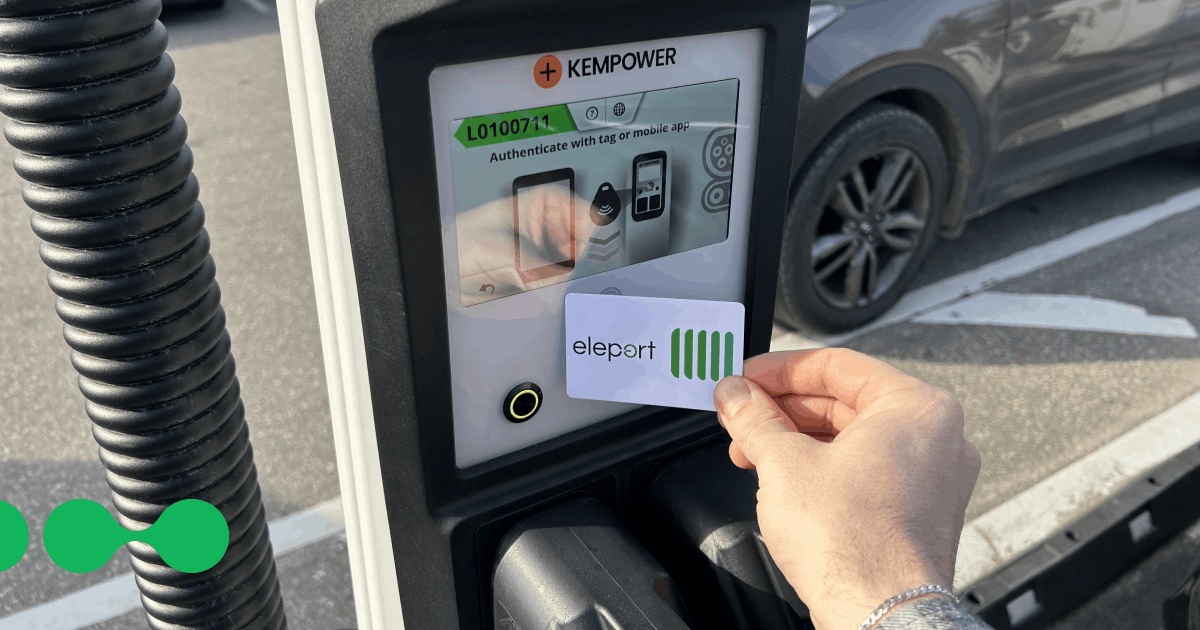
- RFID card as backup (still one of the most reliable options in weak signal areas)
- Contactless card payment, where available (increasingly common at newer fast chargers)
AFIR also pushes broader ad-hoc access, including card/contactless being mandatory at all new >50 kW fast chargers, improving the walk-up and pay options over time.
Even in that easy pay-with-card future, the charging apps stay relevant because planning, live status, pricing comparison, receipts, and support needs don’t disappear.
Route planning that understands EV reality, not just the distance on paper
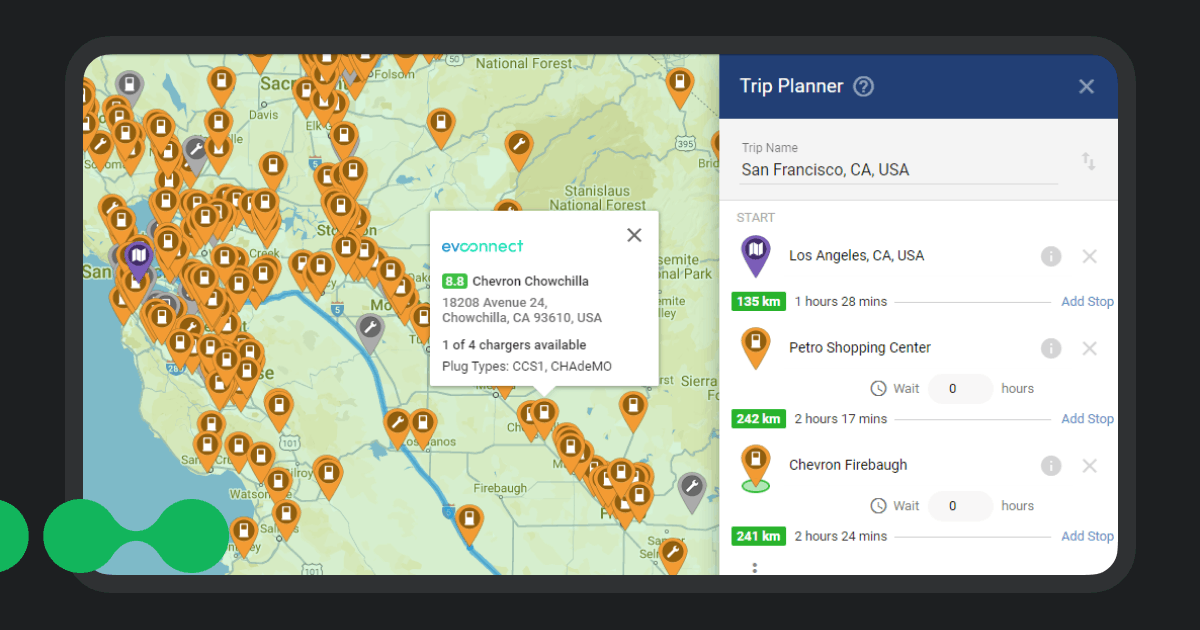
A charging map shows where the chargers exist. An EV charging points app that acts as a route planner answers this: what’s the fastest, lowest-risk plan for my trip?
The easiest way to compare all EV route planning apps is with our extensive EV Route Planning Guide for Europe.
A proper EV route planner accounts for:
- Your car model/battery size
- Consumption assumptions (speed, weather, elevation)
- Charging curve reality (fast early, slower later)
- Charger options and alternatives
ABRP, short for A Better Route Planner, is a well-known example of a planner built around EV-specific routing logic.
This matters because the “best” stop isn’t always the closest charger, but rather the one that gets you back on the road with minimal inconveniences.
Session management + alerts, to avoid any fees and frustration
The best applications treat the already ongoing session management like a core feature, not an afterthought.
What you want to find among the EV charging app features:
- Clear confirmation that charging actually started
- A notification if charging stops unexpectedly (very important)
- Alerts when charging is nearly done
- Idle-fee warnings if the site applies them
Plug & Charge support
Plug & Charge (based on the ISO 15118 standard) and Autocharge aim for the simplest experience possible for EV fast charging: you just plug in, the authentication happens automatically, the car starts charging, and billing will be taken care of in the background.
Reality check today: support is uneven across cars, networks, and regions. But it’s still worth mentioning because it’s a major direction of travel, and more automakers and charging operators are jumping on board.
To be clear, the Plug & Charge won’t erase the need for all EV charging apps — it just reduces how often you need them to start a session.
Receipts, VAT invoices, and exports
If you charge for work, or you just like clean records for better tracking, you’ll likely care about:
- Receipts per session
- Monthly summaries
- Easy exports (CSV/PDF)
- VAT invoice handling, where applicable
It’s the boring type of stuff, but still an important part of EV charging app features that might save you lots of time down the road.
Amenities to visit while charging are starting to matter more
As competition among the maturing EV charging networks across Europe starts to heat up, more networks are turning their eyes towards providing actual experiences while charging.
We’re talking about anything from the easiest wins, like a 24/7 bathroom access, to opportunities like a children’s playground or a mall visit while charging.
How can charging networks add experiences for EV drivers?
They have two choices to go for:
- Adding the amenities, such as a dedicated modular building that features vending machines, bathrooms, and perhaps some dedicated entertainment.
- Co-locating next to the amenities, such as large shopping malls or any other amenity that would allow the driver to spend some time in. Eleport’s recent charging site opening at the NØRDIKA Shopping Valley in Vilnius is a good example of this.
Both solutions work, but the important bit is to make sure EV drivers can easily and conveniently access this, and even better if the EV charging apps show these amenities right on their apps so you could choose your location for the next top-up even better.
Which EV charging apps are a must for a perfect EV driver toolkit?
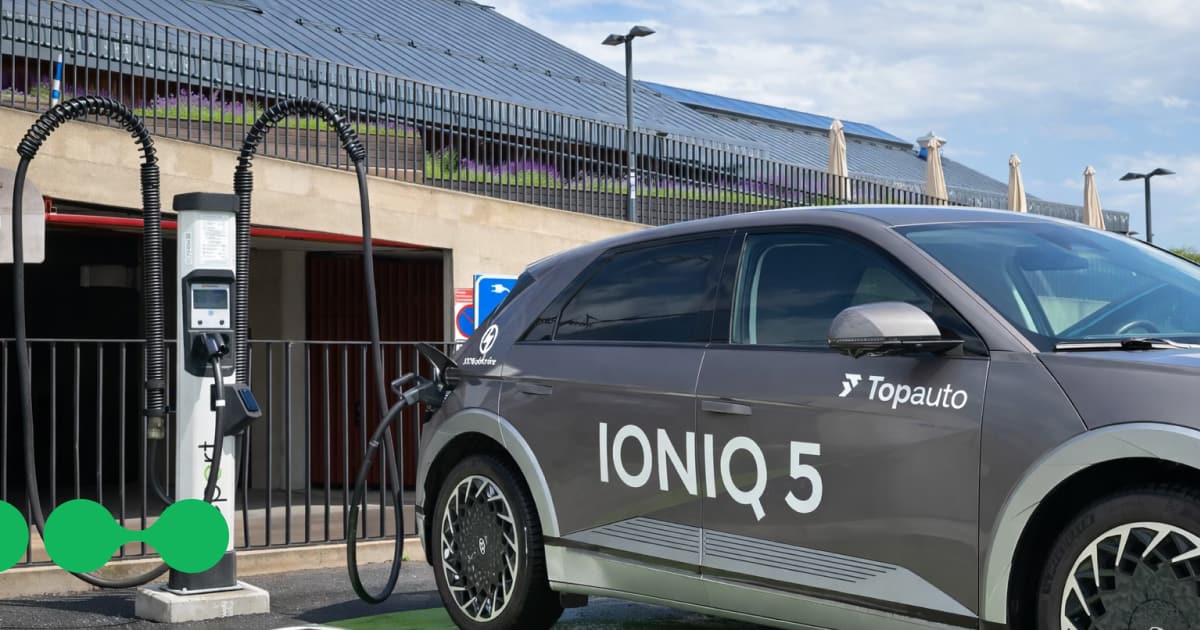
If you want a practical baseline without collecting apps that gather virtual dust on your homescreen, aim for this bundle to cover all EV charging app features you need:
- 1 route planner (a must for long trips in most cases)
- 1 roaming/payment app (something that works across most European countries)
- 2–3 operator apps (the networks you use most, for reliability, support, and best pricing)
If you live in any of the Central and Eastern European countries, the Eleport EV charging app features ensure you have a sure way to ensure great coverage and reliability for charging stations.
Hitting that easy list usually covers the majority of real-world charging situations in Europe.
Common traps and what a good car charger app helps you avoid
Here are a few easy ways charging apps can quietly cost you time or money, if you haven’t focused on finding good ones among the wide choice today:
- Roaming markups: convenient, sometimes pricier than operator-direct
- Time-based pricing: especially at AC chargers
- Idle fees: can be brutal if you miss the “charging complete” moment
- Subscription confusion: “member price” shown without making conditions clear
- False confidence from status: “available” doesn’t mean “working”
- No alert system: if the charging suddenly stops while you’re away from the car, you should know.
A good app can’t fix every bad charger out there, but it can sure stop you from walking into predictable problems.
Eleport has nailed the most important EV charging app features
There is no charging app out there today that handles absolutely everything that you might need from the toolkit we’ve laid out for you in the article above. But there are some that come very close, like some carmaker-specific systems (e.g., Tesla). The best way to go about it is to combine truly well-built EV charging apps with a route planner & a roaming app.
Eleport EV charging app features, both for iOS and Android devices, have been specifically designed to have the core needs covered to create a seamless EV charging experience, including:
- An easy-to-browse charger map
- Ability to send navigation directions to the charger to Apple Maps, Google Maps, or Waze
- Showing clear pricing for every charger
- Authentication by selecting on app or by scanning the QR code
- Availability is shown right on the map
- Billing and charging history is an easy tap in the app
- Filters for the connector types and for the minimum power in kW
- And the one app shows all Eleport’s chargers across Estonia, Latvia, Lithuania, Poland, Slovenia, and Croatia.
As you can see, this covers everything that you’d expect from EV charging apps – bundle this with a route planner, and you’re good to go.
If an app nails reliable live status, transparent pricing, easy activation, and clean session history, it earns its place in your toolkit. Everything else is a bonus.