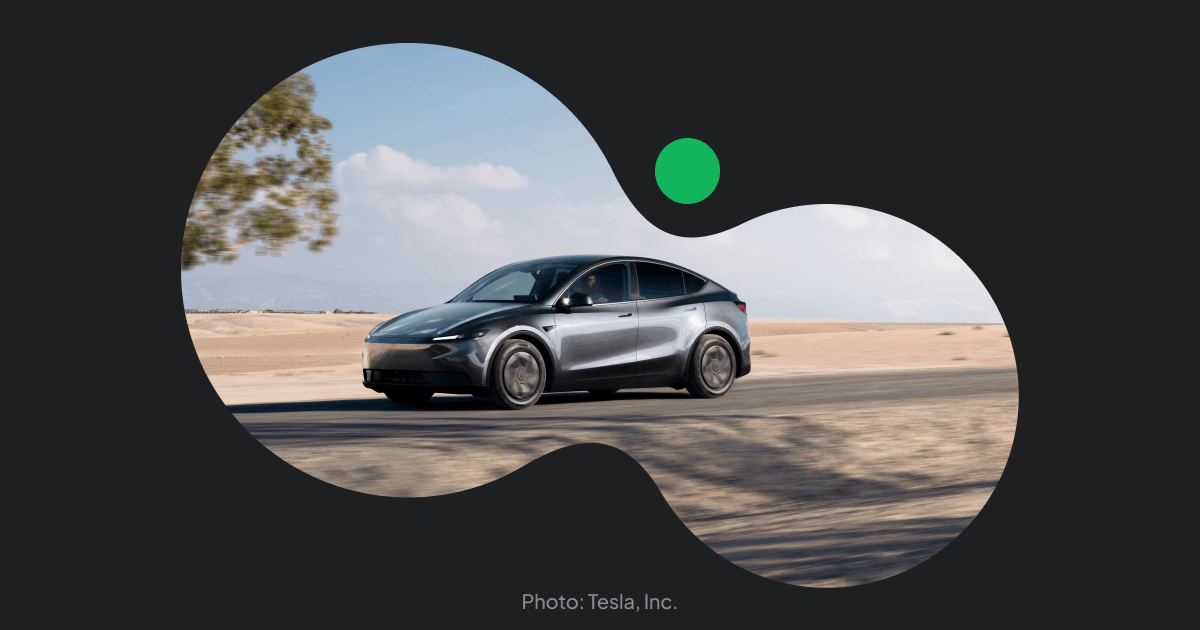

Comparing price and range is the easy part of buying an electric car in 2026. The tougher part is guessing what will start to feel annoying once the car becomes part of your normal week. That is because an electric car is no longer just a vehicle with a battery. It is a connected system, and you live with that system every day. That means software, battery management, charging performance, and navigation all need to work properly, whether it is cold, you are on a longer trip, or you are just trying to get through a busy weekday.
That is why it makes sense to start with our electric car buying guide, which looks at what matters in daily life. It helps you narrow down EV model options based on your usual routes, charging setup, winter driving, and budget. If this is your first electric vehicle, that approach makes the decision much easier to work through.
What to check first before you compare EV models
Most people begin with the headline numbers. That seems logical, but it often results in a weak shortlist because those figures obscure the details that matter in day-to-day use.
A better place to start is how you will use the car. Where it spends most of its time, where it can charge easily, and what your longest regular day actually looks like will tell you more than any brochure claim. This matters even more when comparing compact models for urban use, because some EVs are better suited to city driving, while others are a stronger fit for a mix of town and motorway trips.
Electric car buying starts with your weekly routine
Before you compare brands, write down a simple routine filter and use it for every model:
- Where will the car stay parked most of the time?
At home, at work, on a public street, or a mix.
- How long does it stay parked during those stops?
Thirty minutes, two hours, or overnight can completely change what charging setup makes sense.
- What does your longest normal day look like?
Use your usual distance, traffic, and road type, not a best-case version.
- How often do you drive long motorway routes in winter?
This can quickly change what matters most in battery size and charging speed.
That one-page filter gives the rest of your research a much stronger base. It also keeps the comparison grounded in real use rather than reviews, videos, and spec screenshots.
How this electric car buying guide helps you avoid the wrong model
Most people who choose the wrong car, something that doesn’t truly suit them, do not do it because they were careless. In many cases, they did plenty of research. The problem is that they focus on the wrong things.
A car can look great on paper and still be annoying to own. Range claims look strong, reviews sound confident, and the payment fits the budget. Then winter cuts range, a public charger is slower than expected, or the app fails at the wrong moment. Nothing is technically broken, but ownership becomes harder than it should be.
Our electric car buying guide helps you avoid that mistake. It gives you one clear way to compare cars and applies it consistently across every model. Instead of relying on claims and headline numbers, you judge each car by your routine, your routes, and your local charging options.
Why the digital side now matters as much as the hardware
This is the biggest shift in 2026.
Buyers still prioritise the battery and body style, but software quality now affects EV route planning, pre-heating, charging limits, and remote controls. And in today’s world, so much more for convenience, from AI assistants to smart driving assistance (ADAS). During a test drive, ask the dealer to show the real workflow, not only the dashboard design. The built-in navigation should create a route long enough to include a charging stop. The app should display the battery level, remote climate control, and charge-limit controls. The update process should also be clear, with support available in your country.
If the dealer cannot show those basics properly, take that seriously. You will use that digital layer again and again, so weak software is not a small issue.
How to check battery quality without getting lost in specs
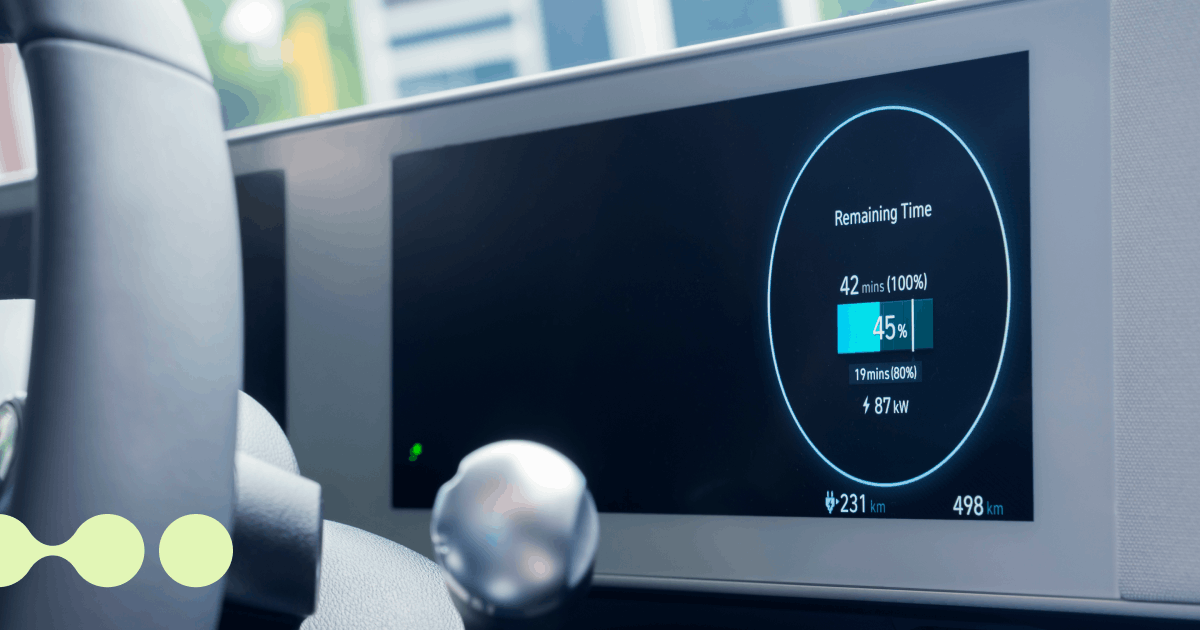
Battery research can turn into a wall of numbers very quickly. To keep it useful, focus on the details that affect ownership in real life: charging time, day-to-day confidence, and long-term value.
Start with three basics: usable battery capacity, warranty terms, and charging behaviour during a normal fast-charging session. Peak charging speed alone does not tell you much. Some EVs reach an impressive number for a brief moment, then slow down sharply. What matters more is how the car charges through most of the stop. When you are comparing electric vehicles, that is far more useful than one headline figure.
You should also read the battery warranty carefully. Check the number of years covered, the mileage limit, and the battery health threshold that the manufacturer guarantees. These details matter later because they affect resale confidence as much as ownership peace of mind. It is also worth asking how the thermal management system protects the battery in daily use. In many cases, that tells you more than the brochure does.
If you are buying a used EV, look at the charging history as well. A car that was regularly charged to 100% may have aged differently from one that was usually kept closer to 80%, as explained in our charging guide.
For model-to-model comparisons, EV Database remains one of the most useful sources in Europe. Its range cheat sheet is especially helpful because it clearly states that the figures are based on real-world data, which makes it a strong second check alongside official numbers.
Which range numbers should you trust in 2026, especially in winter
Range still causes the most confusion, and this is where buyers often lose clarity. The official figure is useful, but it works best as a comparison point rather than a promise for daily driving.
Use the official number to compare models on equal terms, then check an independent source such as EV Database for a more realistic estimate. After that, compare the result with your longest regular day, not your average one. That buffer matters far more than a strong result on a warm test route.
Cold weather also changes the decision. Real-life tests have shown that in cold weather, the range of an EV can drop by 14% to 39% from the advertised range because the car needs extra energy for cabin and battery heating. For that reason, heat pump availability now deserves a direct place on your list. In 2026, it will no longer be a niche option for northern drivers. It is a utilitarian feature that supports winter efficiency and can improve resale appeal because more buyers now ask about it upfront.
Charging setup and connector checks before you sign
Once your battery and range assumptions look realistic, the next step is hardware fit. Europe is easier than some other regions, but you still need to confirm the basics before you pay a deposit.
The European Alternative Fuels Observatory explains that EU interoperability rules require Type 2 connectors for AC points and CCS/Combo 2 connectors for DC high-power points, which makes cross-network use much simpler than it used to be. It also explains the AC and DC categories by power, which helps when you compare station speed labels.
AC and DC fit different parts of your week.
AC charging, also called slow charging, works best when the car is parked for extended periods, such as at home, the office, or while shopping. DC charging, also called fast charging, works best on long routes and tight days when you need a short stop and quick recovery. Most drivers need both, but the right balance depends on time, not only on peak power.
Before you choose a model, ask the dealer to confirm the connector and charging hardware details in writing. A compact checklist here can prevent the most common delivery surprises:
- Maximum AC and DC power
- charging port location on the car
- Included charging cable(s)
- Battery preconditioning support
- Heat pump availability on your trim
That last point has become much more important in 2026 than many buyers expect.
How to check local public charging before you choose a car
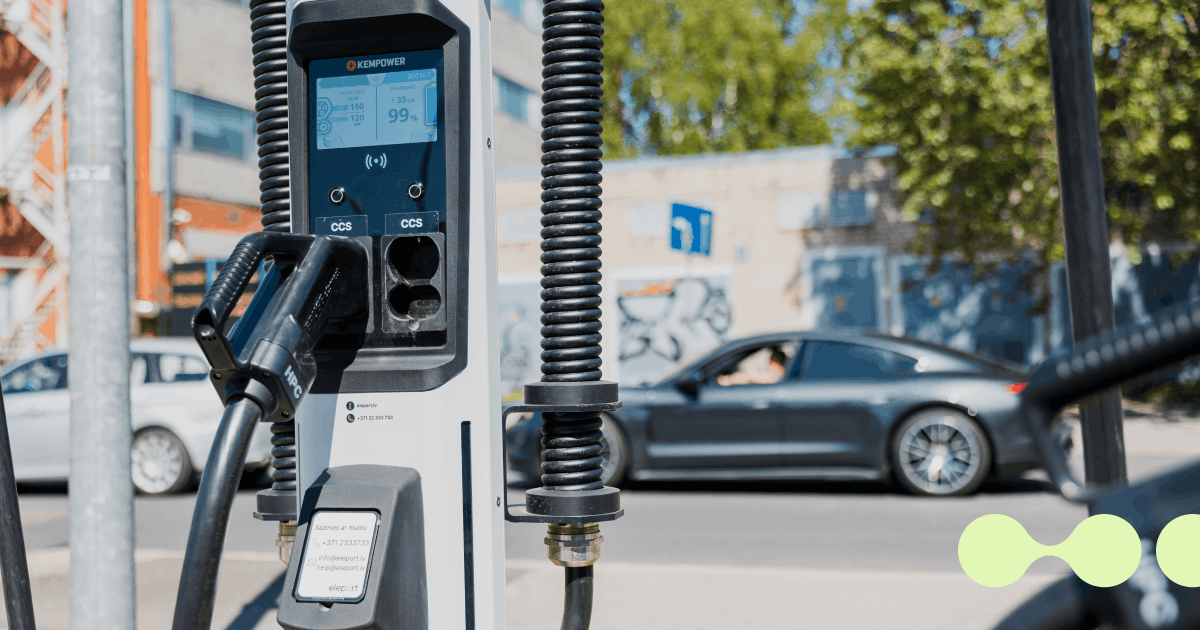
Many buyers pick the car first and look at charging later. It makes more sense to reverse that. Start with the public chargers you are most likely to use in a normal week, then choose a car that fits that setup.
A good first step is to check PlugShare. It gives you more than a map. You can review station coverage, recent user feedback, photos, and PlugScore ratings, which makes it easier to spot dependable locations and avoid obvious weak points. Early on, this helps you see whether the connector mix and route coverage match the way you actually drive.
Then move to the charging app you are most likely to rely on. In Central and Eastern Europe, the Eleport app is a useful example of what to look for. It is built around cross-border charging, and its app listings highlight the details that matter before you choose a car: live charger availability, connector types, power levels, pricing, remote start and stop, and charging history.
This simple two-step check tells you far more than a brochure can. It shows what public charging is likely to feel like in everyday use, not just under ideal conditions.
What to test during a real EV test drive so the driving experience stays strong
A quick spin around the dealership usually gives a false impression about what an EV can or cannot do. In 2026, you need a route that feels like real life, with city traffic, a faster road, and a few minutes to explore the screen without pressure. That kind of test shows much more than just feeling the acceleration.
Start with the things you will notice every day. Check how smooth the car feels when you pull away, how natural the brakes feel with regeneration, and whether the seats stay comfortable after more than a few minutes. Pay attention to visibility too. Then look at the screen. If simple actions take too many taps, that small annoyance will show up again and again.
The route planner deserves a proper test as well. Enter a trip long enough to trigger a charging stop and watch what the system does. A good setup should show clear stop locations, realistic timing, and battery estimates that make sense right away. If the route logic feels messy during a calm test drive, it usually feels much worse when you are tired or in a hurry.
A practical 2026 shortlist for first-time electric car buyers
Do not start by searching for the one perfect EV. That approach usually creates more confusion than clarity. A better way to buy is to begin with a short list of models that fit your budget, daily mileage, and charging setup. Once you reduce the field to a few realistic options, the choice becomes far easier. To help with that, we have also included the most popular EVs in Europe in 2026.
If you are shopping for a compact EV, begin with the Kia EV3, Škoda Elroq, and Renault 5 E-Tech. These are three of the strongest places to start. They attracted attention quickly, and not only because of awards. In 2025, the Elroq and Renault 5 became the second- and third-best-selling EVs in Europe. That matters because it suggests they already make sense in everyday use, which is often the top priority for first-time EV buyers. Sales results and awards can help you identify good candidates, but they should only guide the search. What matters more is whether the car feels practical and easy to live with in a normal week.
Once you have those benchmarks in mind, let your priorities shape the next step. Choose the Tesla Model 3 if you value software and charging convenience. Look at the Model Y if you want the market’s most established high-volume EV, especially since it still leads overall sales. The Hyundai Kona Electric is a sensible option if you prefer something simple and familiar. And if space matters more than compact dimensions, it makes sense to move the Renault Scenic E-Tech and Škoda Enyaq iV higher on your shortlist.
How to compare ownership costs without overcomplicating the math
Cost comparison does not need a giant spreadsheet, but it does need a clear order. This is the last place where buyers can save money before signing the contract.
When buying an electric car, compare four areas in the same sequence every time: purchase or finance cost, energy cost, maintenance and wear, and then resale confidence. The first category should include interest rate, deposit, and monthly payment, not only the list price. The second should reflect your real mix of home and public charging. The third should include tyres and insurance, which still shape the monthly total. The fourth should cover warranty strength and software support, because both affect resale.
If you are reviewing leasing deals, ask for the full monthly breakdown and confirm mileage limits and end-of-contract charges. A quote can look attractive until those details come to light.
Common mistakes that make a good electric car feel wrong later

Most electric car buying mistakes happen after careful research. The buyer reads reviews, compares specs, and test-drives a few models, but misses one useful point that only becomes obvious after delivery.
The checks buyers skip most often
A buyer chooses a car based on the headline range, but never checks the charging network they will actually use. Someone focuses on the peak fast-charging number but never asks how the battery behaves through a full session. Another buyer likes the cabin, the seats, and the screen, but ignores the app and the route planner, even though those may become the tools they use most often.
That is why the problem often feels confusing. The car itself may still be in good condition. What feels wrong is the day-to-day fit. Charging becomes less convenient than expected. The software feels awkward. Winter driving needs more planning than the buyer expected.
That is why buying electric cars gets easier when you use the same checklist for every model. One extra hour of practical checks before you sign can save months of small frustrations after delivery.
Final method for a shortlist that still works after the first month
By the time you reach the final comparison, the choice should feel calmer. That is a good sign. You are no longer choosing based on trends or a single spec. You are choosing by fit.
Keep the shortlist small, score each model against your real week, and treat software quality as seriously as hardware. In 2026, the strongest ownership results come from buyers who evaluate the vehicle as both a means of transport and a connected product. That is the core logic behind this electric car buying guide, and it is the fastest way to keep the whole process pragmatic.
FAQ
Is it worth buying an electric car?
For many drivers in 2026, yes, if the decision starts with route fit and infrastructure. The key question is not the badge on the hood. The key question is whether your parking, local network, and longest weekly trip all fit the model you choose.
What to consider when buying an EV?
Start with your week. Where does the car sit, for how long, and what is your longest normal day, not your average one? Once those basics are clear, compare battery behaviour, route planning, and total cost. This order keeps you from choosing by range first and then trying to fix daily inconveniences later.
What questions to ask when buying an electric car?
Ask about usable battery capacity, warranty terms, AC and DC limits, included cables, battery preconditioning, and heat pump availability. Then ask the dealer to show the route planner and app workflow during a real drive, not in the showroom.
What to know when buying an electric car?
Know your routine in numbers. Write down where the car sits, how long it stays there, and the distance of your longest normal day. That one-page filter will remove weak options faster than long review sessions.
How do I check public charging before I choose a model?
Start with the stations you would actually use, not a full city map. Read recent comments and photos, then test the app flow for the network you expect to use most. This gives you a realistic view of pricing, reliability, and access before you commit.
Can you recommend the top electric cars available in 2025 and 2026 for new buyers?
For new buyers, strong 2025-2026 picks can include Kia EV3, Renault 5 E-Tech, Tesla Model 3, Hyundai Ioniq 5, Hyundai Kona Electric, Renault Scenic, Skoda Enyaq, and Skoda Elroq. Kia EV3 and Renault 5 E-Tech deserve a place on the shortlist because both became standout compact EV launches in Europe, with strong award recognition and clear value appeal for first-time buyers.
Are there any tax credits or incentives available when buying a new electric vehicle?
In many countries, yes, but the details change often. Some markets offer tax benefits. Others offer grants, local perks, or lower company car tax. We advise checking official government and local transport websites before you buy, as the rules can change throughout the year and the differences can be significant.