V2L (Vehicle-to-Load) sounds like one of those EV terms people nod at politely and then immediately look up later. In reality, it describes something surprisingly simple and genuinely useful for any EV driver: the ability to use your car’s battery to power external devices.
That is what gives V2L meaning and real weight in the moments when power matters most, and sockets are hardest to reach: at campsites, during outdoor work, on road trips, at events, and in the minor domestic chaos of a short power cut.
This guide explains how V2L works in Europe, where it makes sense, and what tends to limit its use in practice. It also shows how V2L differs from V2H and V2G, which sound similar but do rather bigger jobs.
Readers new to electric cars may also want to start with the basics with our article “What is EV (electric vehicle)” before getting into features such as V2L.
What is Vehicle to Load (V2L)?
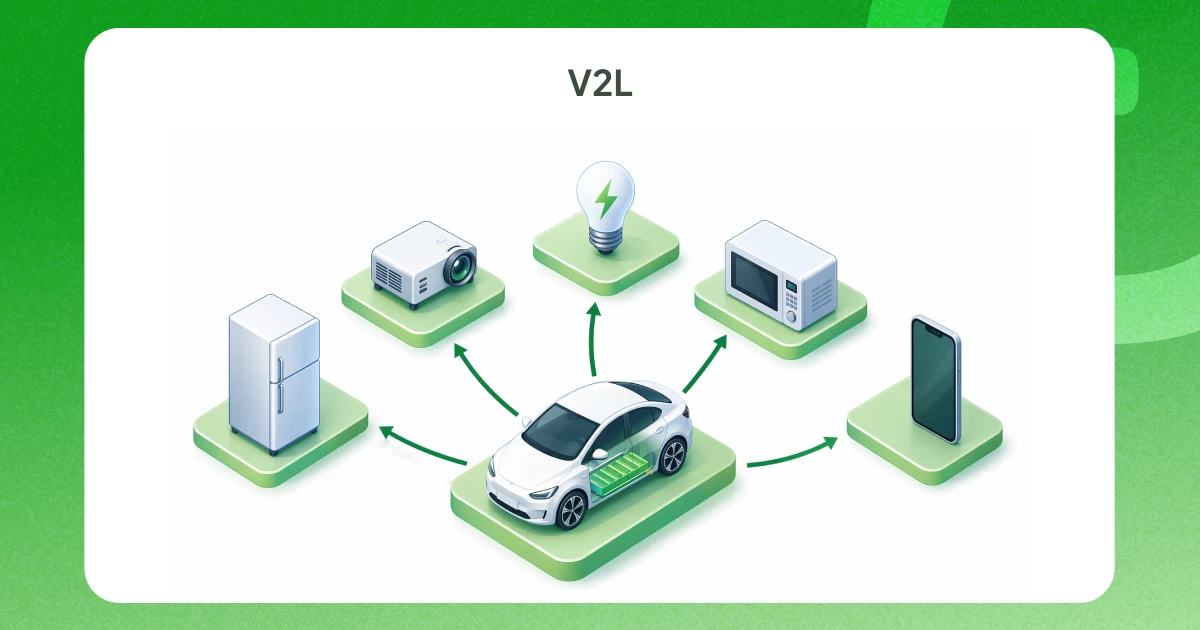
With Vehicle-to-Load, the car is not limited to using its battery for motion. Once parked, it can send some of that stored energy to external devices via a cabin socket, an outlet in the load area, or an adapter connected to the charge port. The idea is easy to grasp because it answers a familiar need in a very direct way.
The next step is to compare V2L with other EV power features.
Vehicle-to-Load (V2L) vs V2H and V2G
All three terms describe electricity leaving the car, but they are not doing the same job.
The simplest version is Vehicle-to-Load (V2L). It sends power from the car straight to a device or appliance. V2H, or Vehicle-to-Home, sends electricity from a car into a home via additional hardware. V2G, or Vehicle-to-Grid, feeds power back into the electricity network. The Department of Energy notes that bidirectional EVs can support buildings or the grid when paired with suitable equipment, which is a more advanced setup than direct appliance use.
If you want to know more about V2G specifically, read our deep dive article into Vehicle-to-Grid.
This difference between the three matters because the ownership experience changes a lot. With a vehicle to load, you usually need only the right car, the right connector, and a sensible appliance. V2H and V2G bring in installation, compatibility, and sometimes utility rules as well. So when you ask what is vehicle to load, the easiest way to remember it is this:
V2L = car to devices
V2H = car to home
V2G = car to grid
For most people, V2L feels the most practical of the three because it fits seamlessly into daily life. You charge on the way, and still have enough energy left to power a few useful things once the drive is over. That feels a lot more immediate than home backup systems or grid services.
Once that difference is clear, the next question is obvious: how does the car actually deliver that power?
How does V2L work?
In principle, it is not very complicated. The battery stores power as DC electricity, while most everyday devices use AC. So the car has to convert that power before it can run anything. The inverter does that job.
After that, the car provides the electricity. On some models, you get a socket inside the cabin or in the boot. On others, there is an exterior outlet for camping, work, or outdoor use. Some EVs use an adapter that plugs into the charge port and turns it into a normal power outlet.
That ease of use helps explain why V2L has caught on faster than V2H or V2G. It does not require a home energy setup or any involvement from the grid. It simply draws energy from the battery and converts it into usable power on the spot.
What can you power with V2L?
That depends on two things: how much output the car can provide and how much electricity the device draws. A phone charger is easy work. A coffee machine or camping cooker asks for much more. The table below gives a rough sense of what different V2L output levels can usually handle in real life.
| V2L power rating | What it usually handles | Typical devices |
| 1.5-1.9 kW | Best for single devices or light loads | Phone charger, laptop, router, TV, lamp, speaker, small fan |
| 2.4-3.6 kW | Good for several medium devices at once | Coffee machine, projector, e-bike charger, mini fridge, camping cooker, monitor, plus laptop setup |
| 7.2-10.2 kW | Close to whole-home backup in some cases | Fridge, washing machine, microwave, larger power tools, and several household devices together |
V2L has two practical limits: the power the car can deliver at once and the amount of battery energy you are prepared to use. The first is measured in kilowatts (kW) and determines which devices the car can run. The second is measured in kilowatt-hours (kWh) and determines how long it can keep them running before the remaining range becomes a factor.
This becomes more important the moment you move beyond quick, light use. A car may have no trouble running a fridge, lights, or a portable cooker for a short stretch, but the calculation changes once those devices stay on for hours, and you still need enough charge to get home.
Then there is start-up demand, which catches people out more often than they expect. Fridges, pumps, compressors, and some tools can pull a short burst of extra power when they switch on. So a load that appears safe on paper can still be enough to trip the system in practice.
The sensible approach is to leave some margin. V2L tends to work far more reliably when the total load stays comfortably below the headline limit, rather than right up against it.
Practical V2L use cases
You start to appreciate V2L the moment electricity is useful and a wall socket is nowhere to be found. That is the clearest V2L meaning in practice: the car becomes more than transport. It becomes a power source you can actually use.
Camping and road trips

A road trip feels a bit easier when your compatible EV can help out after you park. It can run a portable fridge, charge everyday devices, power lights, and handle morning coffee, all quietly and cleanly. It can also support the nicer parts of the trip, whether that is a speaker by the tent or a projector for a film night outside. When you plan the route and charging stop ahead of time, perhaps with the Eleport app, the car can do far more than simply take you there.
Outdoor events
At smaller outdoor events, V2L can be genuinely useful. It can power lights, speakers, screens, or phone charging when access to the grid is limited or too inconvenient. It will not run an entire festival, but for lighter equipment, it can do a solid job, provided the total power demand stays realistic.
Job sites
This is one of the strongest use cases for Vehicle-to-Load (V2L). Contractors can run drills, saws, compressors, chargers, and work lights without a fixed electrical service. It is quieter than a fuel generator and often much easier to deal with. It also gives the EV battery a practical role once the drive is over.
Short emergency backup
This is where V2L starts to matter, even to people who do not camp or travel much. During a short outage, the car can keep essentials running by powering them directly. That might mean a fridge, lights, fans, routers, chargers, or some medical equipment. It is not the same as V2H, and it will not run home circuits automatically, but as a portable power source, it can get you through an inconvenient evening with much less fuss.
Charging another EV
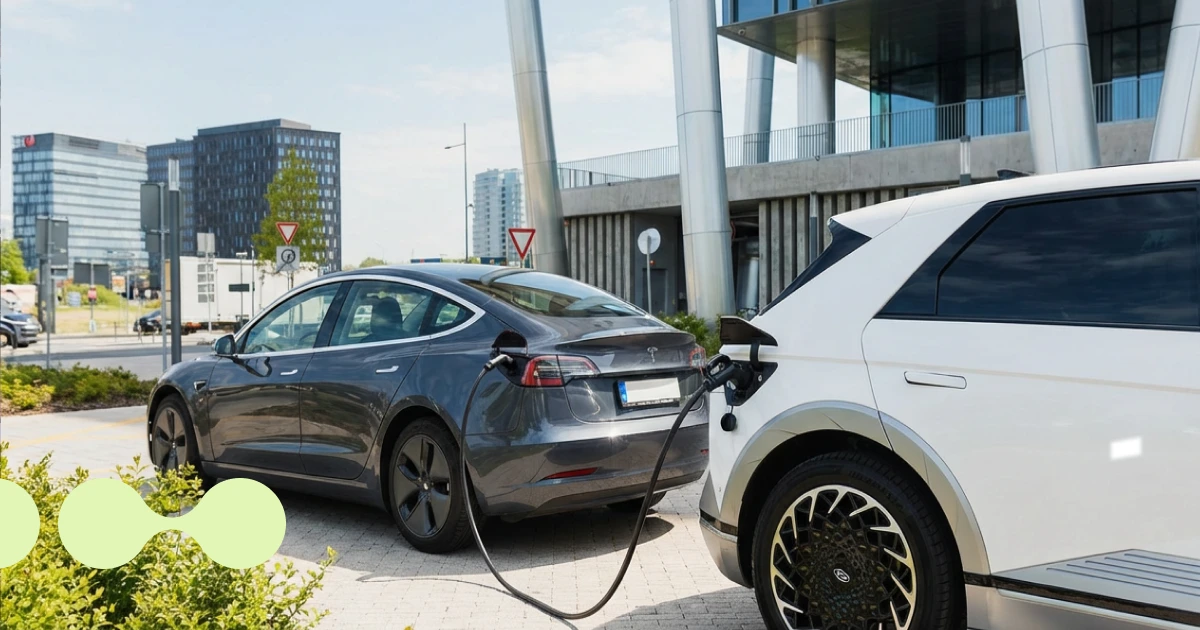
Some systems can also help another EV by powering a portable charger. It is slow, and nobody would call it elegant, but it can be useful in the right moment. You are moving energy from one battery to another, so output limits and battery capacity matter. When one driver is stranded, and another has charge to spare, efficiency becomes a less emotional topic.
What makes these use cases realistic
All of this depends on the same basics: the car’s output, the device’s power draw, and the battery level you have left. The socket or adapter may look simple, but the result depends on using its features within their limits.
What V2L cannot do
This part matters because a feature becomes much easier to value once its limits are clear. V2L is compelling because it is simple and flexible, but those same strengths also define its limits.
It is not the same as a full home backup. It cannot take over household circuits on its own, and it does not replace a proper home energy system with every EV. If you want to safely power parts of a house, you still need the right hardware.
The best way to think about V2L is as a practical power source for selected devices. That can still cover plenty: a fridge, lights, a router, a laptop, a coffee machine, or a few tools. People get disappointed when they expect it to behave like the grid.
Which cars support V2L?
This is where V2L meaning stops being theoretical and becomes a buying question. Support for V2L is growing, but it is still far from universal. You cannot assume that every EV has it, or that every version of the same model does. In practice, it may depend on the brand, model, trim, market, and sometimes even the production date.
| Brand | Best model to show | Power setup |
| Renault | Renault 5 E-Tech | Bidirectional AC charger (V2L adapter + V2G grid support) |
| Peugeot | E-3008 / E-5008 | Exterior V2L via charge port adapter (up to 3 kW) |
| Škoda | Elroq / Enyaq (2026 Update) | 230V interior outlet + exterior V2L functionality |
| BYD | Atto 3 / Seal | Standard V2L adapter included |
| Hyundai | IONIQ 6 | Interior 230 V outlet plus exterior V2L adapter, with Hyundai Europe quoting up to 3.6 kW. |
Note that different trims of these EV models have varying capabilities, with entry-level versions possibly lacking V2L altogether.
The broader point is that V2L no longer belongs to any single brand or EV type. It now appears in city cars, family crossovers, vans, and more premium models. What changes in the execution: socket location, adapter requirements, output level, and whether the feature extends to more advanced bidirectional use.
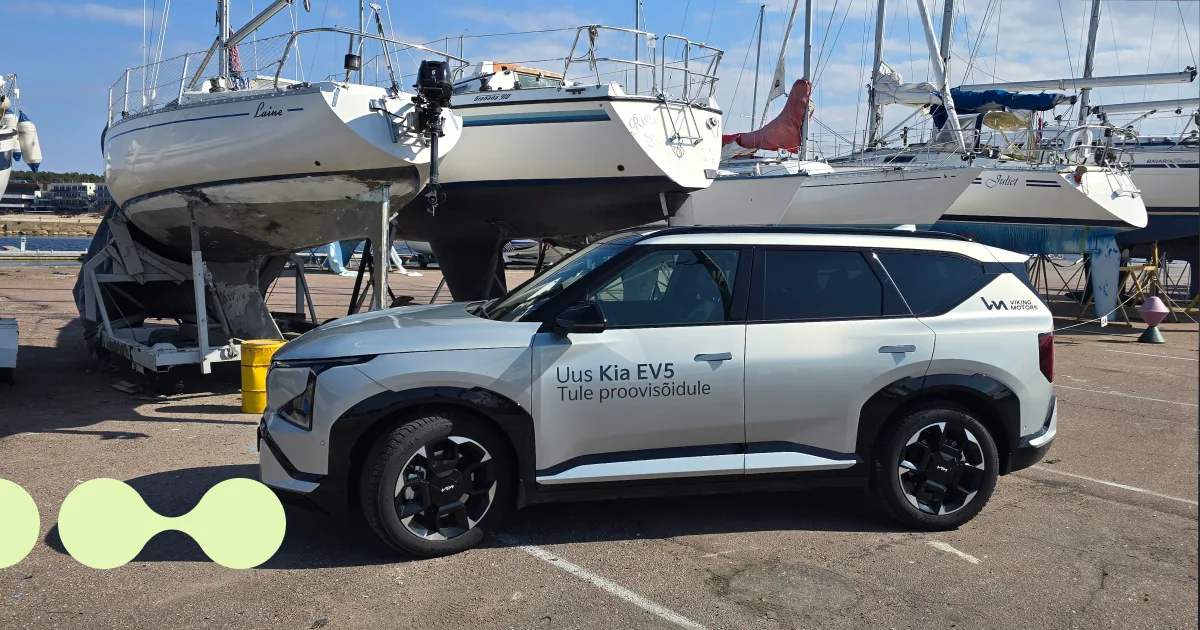
For readers comparing cars, that nuance in V2L meaning matters. A vehicle may technically support V2L and still offer a very different ownership experience depending on how the system is configured.
Should you prioritise V2L when buying an EV?
It is easy to ignore V2L when it appears on a long spec sheet beside range figures, charging speed, and driver-assist features. In real life, though, it can be far more useful than it first looks. The real V2L meaning becomes clear when the car is parked and can still power a laptop, lights, or a few essentials during a short outage.
Whether it belongs high on your shortlist depends less on the badge or the tech itself and more on how you live.
The real buying question is not “does it have V2L?” but “how good is it?”
By the time buyers reach the options list, V2L can look deceptively simple: present or absent, tick or no tick. That is rarely the full story.
A better question is how well the feature has been executed. Is the outlet inside the car or outside it? Does the system rely on an adapter? Is that adapter included? How easy is it to access when the boot is full, or the weather is bad? Can the car hold a battery reserve? Is the output enough for the way you would actually use it, rather than for a neat line in a brochure?
Those details distinguish a feature that earns its place from one that merely decorates a spec sheet. Two cars may both claim V2L support, yet one behaves like a genuinely useful mobile power source while the other feels like a technical courtesy.
That is why trim and market matter so much here. With V2L, the fine print often matters more than the headline.
V2L is worth prioritising if…
- You camp, travel, or spend time outdoors often enough to use it more than once a year.
- You work away from buildings and sometimes need power for tools, lights, or chargers.
- You live somewhere with regular storms or short power cuts and like the idea of a basic backup.
- You want the car to do more than just drive and see the battery as a useful energy source.
V2L is more of a bonus if…
- You mostly drive in cities, stay close to infrastructure, and rarely need power away from home.
- You already have another backup option and are happy to keep using it.
- Your budget is limited, and you would rather spend it on range, charging speed, or safety tech.
In the end, V2L does not mean the same thing to every driver. For some, it stays a nice extra. For others, it quickly becomes one of those features that seems optional right up until the first time it saves a trip, a workday, or an evening during a power cut.
FAQ
What is the V2L limit?
The limit is the maximum power and discharge level the car allows. In many passenger EVs, that means enough output for phones, laptops, routers, lights, and some appliances, but not unlimited use of high-demand equipment.
Can an EV with V2L power my whole house?
Usually no. V2L is better understood as direct power for selected devices rather than a full-home backup. A fridge, router, lamp, laptop, or a few chargers is realistic. The whole house carrying on as if nothing happened is a different setup.
Do I always need a special adapter to use V2L?
Not always. Some cars have a socket built into the cabin or boot. Others need an adapter that plugs into the charging port. That is why what is a vehicle to load quickly becomes a buying question too. The feature may exist on paper, but the exact setup depends on the model.
Can I charge another EV using V2L?
Sometimes, yes. Some cars can use Vehicle-to-Load to help charge another EV through portable equipment. It is slow, and nobody would call it elegant, but at the right moment, it can be useful. Think rescue, not routine.
Does V2L work while driving?
Usually no. In most cases, the car needs to be parked. The idea is to give you a controlled external power source, not to turn the motorway into a moving utility experiment.
Is V2L available on plug-in hybrids or only full EVs?
Mostly on full EVs, but not only there. Some plug-in hybrids also offer external power functions, but these are usually much more limited than for BEVs. The main difference is scale. A full EV usually gives you more flexibility because its larger battery can store more energy.