There are actually two different jobs that hide inside this one word, preconditioning.
Battery preconditioning gets the pack ready for a fast charge.
Cabin preconditioning is the frosty-morning warm-up most drivers already know.
This guide will explain exactly how either works and gives you the best practices as an EV owner.
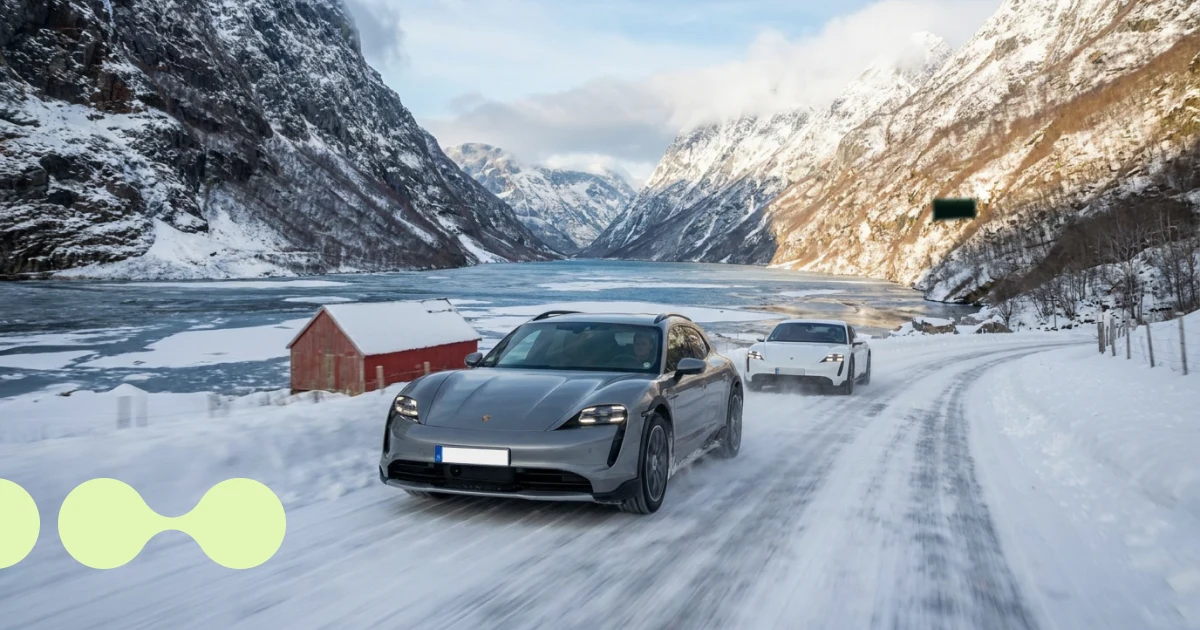
In January 2026 the Norwegian Automobile Federation ran the coldest El Prix winter test it has ever staged, sending 24 of the newest electric cars out into −32°C near Folldal. Average range came in 38% below the official WLTP figures, which reads badly until you reach the charging results.
With the battery warmed before plugging in, 14 of the 24 cars matched their quoted 10 to 80% charging times, and six even beat them! The lesson was: warm the battery first and it takes full power. Leave it cold and it crawls, often at a fraction of what the charger could give.
EV preconditioning is what sits between those two outcomes, and once it drops below freezing the feature stops being optional. The idea is plain enough: cabin-side EV preconditioning is the car warming itself before you need it. What trips people up is that the word covers two separate jobs they keep blurring together.
What Does Preconditioning An EV Mean?
The double meaning is half the reason the question of “what is preconditioning EV” that drivers type into search comes back so muddled. Two different things share the label.
One is battery preconditioning. The car brings the high-voltage pack to the temperature where it charges and drives best, warming it or, less often, cooling it. That is the version that earns its keep at a fast charger.
The other is cabin preconditioning. Heating the inside, clearing the glass, getting the seats and wheel warm before you open the door. Most people clock this one first, because you feel it straight away.
Same car. What they fix could not be more different, though. Cabin preconditioning is a comfort thing. The battery side is the reason a 150 kW charger hands you 150 kW on one morning and 40 on another, depending how cold the pack is. Sort out which one you are using, and when, and the rest looks after itself.
How EV Battery Preconditioning Works
EV preconditioning of the battery sounds abstract until you picture it. So what is preconditioning an EV battery actually doing, down at floor level?
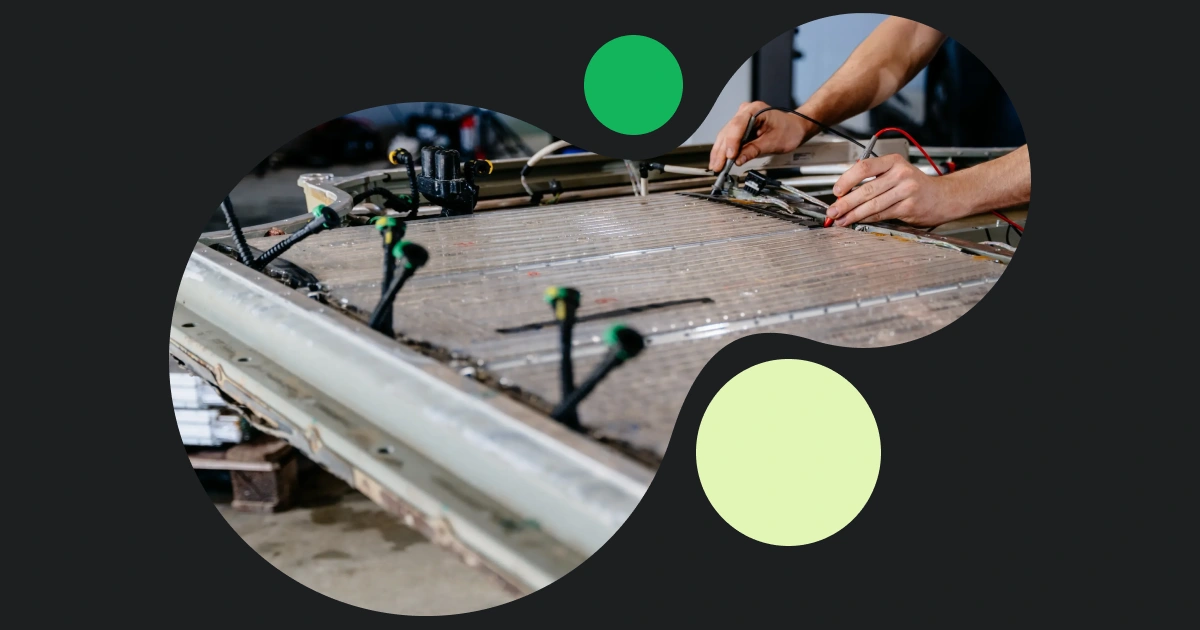
The battery pack is a stack of lithium-ion cells sitting in a thermal management system, which is normally a liquid coolant loop plumbed into electric heaters or a heat pump. And lithium-ion cells are… quite delicate when it comes to heat. Most batteries want to be somewhere near 15 to 35°C to charge and perform well. For example, Kia quotes that exact window for its EV3.
Go below it and the chemistry drags. Ions shuffle around slowly, internal resistance climbs, and the battery management system (BMS) clamps down on how much power the pack will accept so the cells stay safe.
That limiter from the battery management system is exactly why a frozen car can sit at a charger sipping 30 or 40 kW, when the hardware could take three or four times that. Warming the pack first releases that limiter. However, using the EV battery preconditioning does precisely that, warming the pack and releasing the limiter set by BMS ahead of the moment you reach the plug.
How it works isn’t too difficult to picture. Essentially the heaters fire, or waste heat off the motors gets routed into the coolant loop, and the cells edge up into that 15 to 35°C band. Plug in once it is warm, and the battery takes full power from the start, with no warm-up tax on the first 15 minutes. EV battery preconditioning is the whole reason that works.
How it starts depends on the car. Navigation is the usual trigger for most modern EVs: you can just set a fast charger as the destination, and the car preps the pack as you drive. Some EVs let you enable this by hand from the touchscreen or a phone app. Either way, EV preconditioning gets you to the same place: a battery pack sitting ready to take that charge in the second you connect.
Why Cold Batteries Charge Slowly, And How Preconditioning Fixes It
This is where EV preconditioning in cold weather stops being theory. El Prix is the cleanest real-world proof going, because every car runs the same route on the same day in the same, usually quite brutal, conditions.
Back to that headline number: range down 38% on average, in temperatures touching −32°C. Denser air, energy is poured into heating, sluggish battery chemistry. None of it is a defect, it is just physics, and it turns up every winter from Tromsø to Tallinn.
Charging during that race was the big surprise, and it makes the clearest case yet for EV battery preconditioning for cold weather use. The test cars had their batteries warmed for roughly two hours before the charging run, after a night in the open had left the packs cold-soaked at −25°C.
Most of them then charged 10 to 80% in close to their rated times despite the freeze, and Xpeng’s X9 even posted an all-time El Prix record of 12 minutes 5 seconds, quicker than its own summer run.
So this is certainly one thing to watch when buying an EV. A few cars in the test showed up with no battery preconditioning at all. If you live somewhere properly cold and the model on your shortlist skips it, that is not a footnote to shrug off. Properly preconditioning EV battery packs before a fast charge is often what gets you out in 20 minutes instead of 45. After owning an EV for a while… those delays (or wins) really stack up.
Cabin Preconditioning: A Warm Car And A Full Battery

Now the part you would really notice when stepping into a car, or even when looking out the window if the car sits in the cold outside.
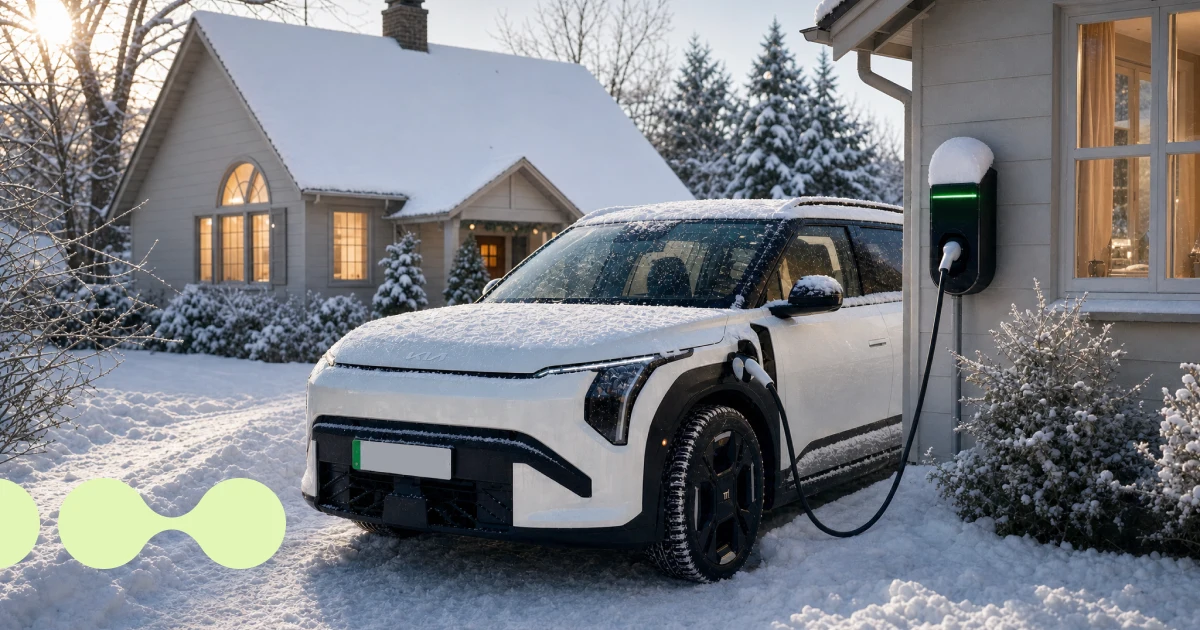
Cabin preconditioning warms the interior, melts the frost off the windows, gets the seats and wheel up to temperature before you climb in. For plenty of drivers, this side of EV preconditioning is the first they ever touch. Set it from the app or on a schedule, and a January morning means clear glass and a warm seat waiting, no scraper, no numb hands on a frozen wheel.
Where the energy comes from is what counts here, however.
If you leave the car plugged in while it heats with preconditioning, the grid covers the heating instead of the battery pack, so your range is nearly always untouched when you pull out. You’ll just be charging it back in at the same time. However if you heat it off the battery, you are spending range you could have kept.
The rule that pays off is dull but reliable: warm the car up while it is still on the cable.
Heater type shifts the maths too. A heat pump moves heat that is already in the surrounding air into the cabin, which costs a fraction of what an old resistive element burns through, and it buys back a real slice of winter range.
El Prix put the spread of heat pumps down as one reason the test cars stayed comfortable inside even at −32°C. A trick the carmakers push themselves: seat and wheel heaters warm you for almost no energy, so turn those up and ease the cabin’s climate system side down, if you want to spare energy.
How To Trigger Preconditioning In Your Car
Brands handle it differently, but it usually comes down to three patterns. Battery, cabin, or both, here is how preconditioning EV systems get going.
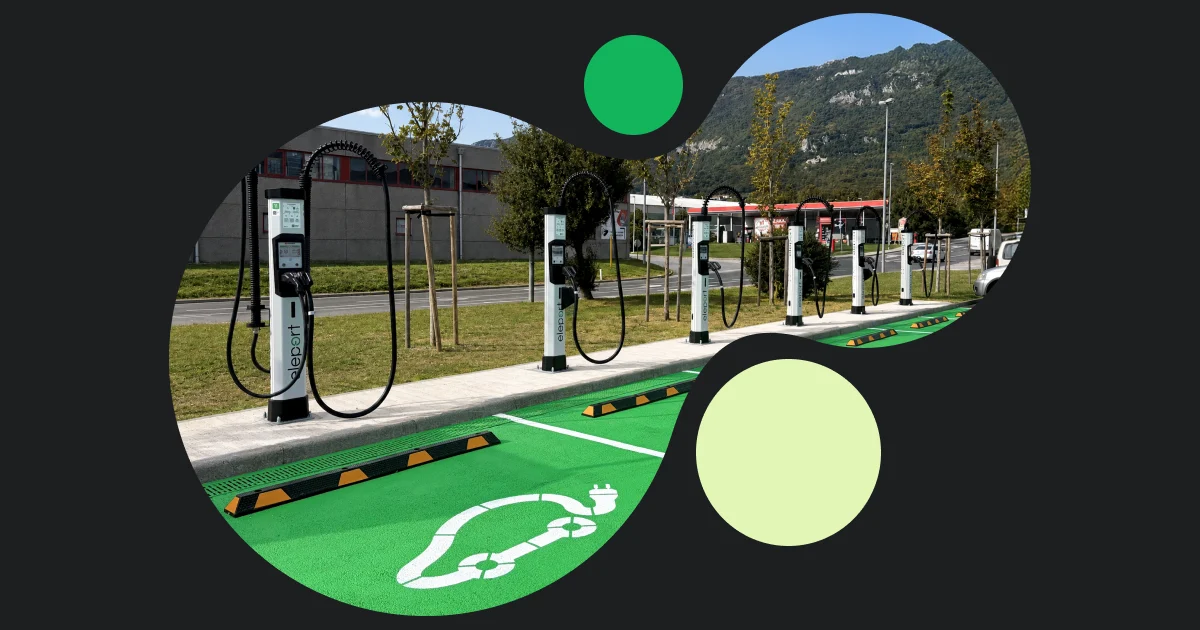
Navigation setting, for the battery preconditioning. Set a fast charger as your destination and the car warms the pack en route… if your car has that feature, that is. Tesla tells owners to route to a charger 30 to 45 minutes out so the battery is ready on arrival. Hyundai, Kia and a long list of others do the same once you nav to a DC point.
Scheduled departure settings, for both. Give the car a leaving time and it plans backwards, getting battery and cabin sorted for that moment, drawing on the grid where it can. Set it once and forget it, which suits a commute that leaves at the same hour daily. Keep in mind, though, that most cars condition the cabin but not the battery still in this way. Think of it as the EV preconditioning equivalent of a coffee machine on a timer.
Manual, on the spot. Most EV apps these days let you enable the cabin heater or pack warming whenever you like, handy for a charge you did not plan or a morning colder than the forecast promised. It really is a major benefit of EVs that we can initiate the climate control to warm the cabin up, whereas ICE cars can’t really do that without external help. The snag is that when enabling it while unplugged, it eats into the battery range, so keep it on the cable when you can.
A word on timing. Warming a cold pack runs about 20 to 30 minutes, longer when it is really cold. If the drive to the charger is shorter than that, get the warming going before you leave the house, or already plan ahead accordingly.
One more distinction worth drawing. All of this counts most for DC fast charging, where a cold pack and a 150 kW rapid charger make a poor pairing. Slow AC charging at home is a gentler business. Why doesn’t AC charging need the battery preconditioning? The power levels are low, a cool battery takes it in its stride, and an overnight charge gives the pack time to settle anyway. Where it does help at home is the morning after: a car left out in the cold is worth warming on a schedule before you set off or aim for a fast charger.
EV Battery Preconditioning Benefits Beyond Faster Charging
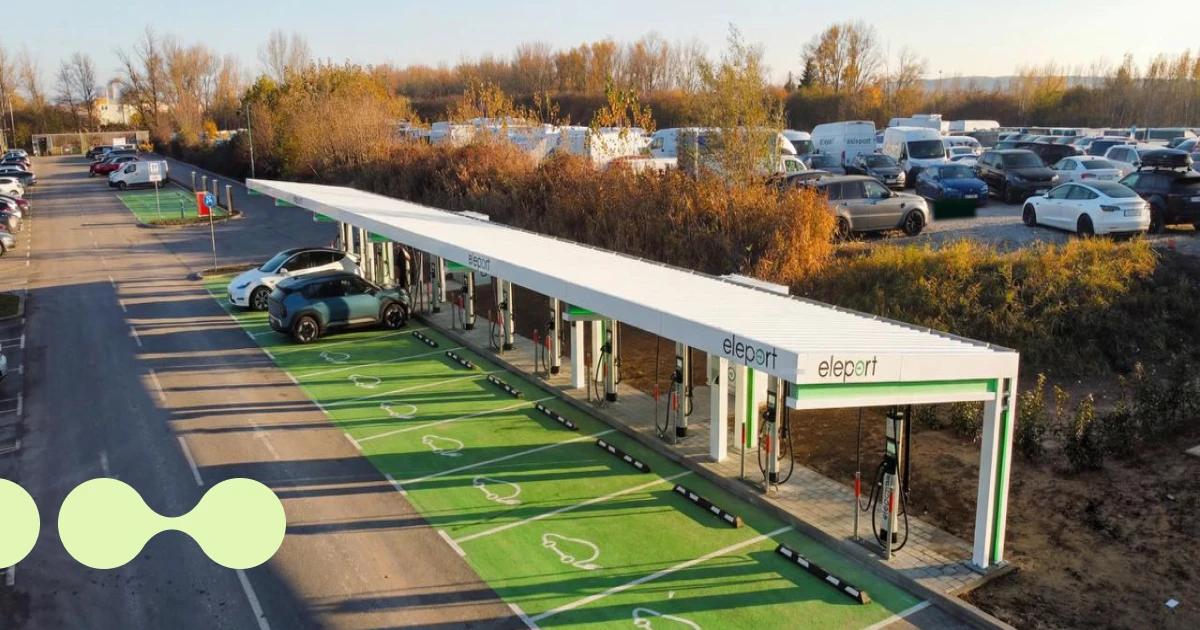
Speed of charging is usually set up as the biggest win here, but the payoff from EV preconditioning reaches further than a quicker charging stop. Consider:
- Range you would otherwise lose. Less of the battery goes on heating a cold pack as you drive, and a pack in its comfort zone gives up power more freely, so more of the charge reaches the wheels.
- Steadier regen. Cold limits regenerative braking, which is why a freshly started EV can coast oddly on a winter morning. Warm the pack and normal regen comes back sooner.
- Easier life for the cells. Hammering an ice-cold pack with high power is rough on it, so consistent EV battery preconditioning helps with long-term battery health.
This all is especially notable if you run a fleet or a high-mileage car through a Nordic or Baltic winter. A taxi or delivery EV on scheduled EV preconditioning spends less of the day connected to a charger and holds onto more of its rated range. Trim 20 minutes off each fast charge across a shift, claw back some range, and there are suddenly several wins involved. What preconditioning costs in energy is small, smaller still on grid power, and the charging time you save more than covers it.
The Habit Worth Building For Your EV Charging
Most of the year you can ignore the lot of it. Plug in, walk off.
Warming the pack on a mild 12°C afternoon gains you next to nothing. The cold changes that overnight. Drop under 10°C with a fast charge ahead and EV preconditioning turns into the one setting that decides how the stop goes, and whether the day opens with ice on the windscreen.